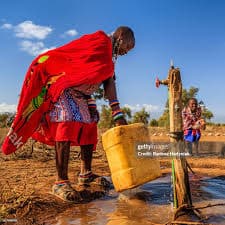
Maasai woman in red shúkà filling a jerrycan at a community tap, with a smiling child nearby—community-led water and livelihood resilience across MPIDO programmes in ASAL Kenya

Programmes

Five pillars in the field: tap a card for a one-line snapshot, or open a full brief for the PDF narrative, delivery focus, and projects.

Work in motion

MPIDO community impact — HPF photos (open album in Google Photos for the full set)
MPIDO community impact — CJRF (open album in Google Photos for the full set)
MPIDO community impact — Pawanka (open album in Google Photos for the full set)
MPIDO community impact — ACS 2 in photos (open album in Google Photos for the full set)
MPIDO community impact — MPIDO/Pawanka Olteyani community meeting (open album in Google Photos for the full set)
MPIDO community impact — Africa IP_WB Dialogue (open album in Google Photos for the full set)
MPIDO community impact — HPF photos (open album in Google Photos for the full set)
MPIDO community impact — CJRF (open album in Google Photos for the full set)
MPIDO community impact — Pawanka (open album in Google Photos for the full set)
MPIDO community impact — ACS 2 in photos (open album in Google Photos for the full set)
MPIDO community impact — MPIDO/Pawanka Olteyani community meeting (open album in Google Photos for the full set)
MPIDO community impact — Africa IP_WB Dialogue (open album in Google Photos for the full set)
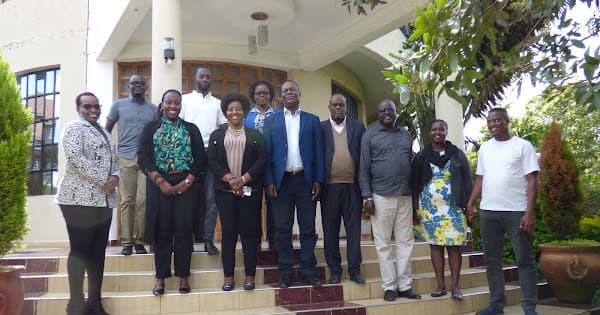
FLLoCA Meeting Nakuru. — MPIDO programme photo

Strategic partnerships

Co-designing policy, climate finance, and accountability with state and global partners—from national instruments to COPs.

Deliberate partnerships with state institutions, constitutional bodies, and global frameworks—moving Indigenous Peoples from consultation to co-design of policy, climate finance, and accountability systems.

Delivery focus · 4 points

Full PDF narrative and projects are on the programme page.
  • National policy pathways that formally recognise Indigenous Peoples and marginalised communities—with instruments progressing toward parliamentary and implementation phases.
  • Climate finance literacy and entry through FLLoCA and related mechanisms, anchored by IPNSCCC coordination.
  • Rights-aligned engagement with justice institutions and OHCHR on emerging risks in carbon markets and large investments.
  • Continental and global representation linking grassroots realities to COPs, Rio Convention processes, and high-level climate diplomacy.
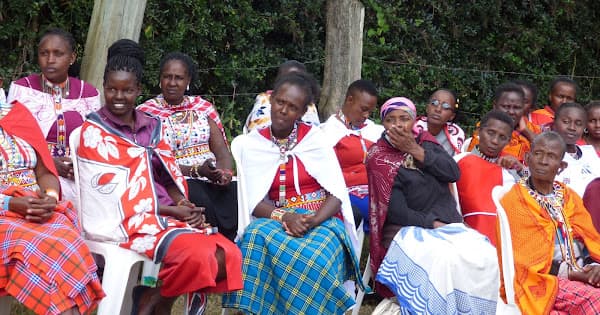
MPIDO/Pawanka Olteyani community meeting — MPIDO programme photo

Livelihoods

Water systems, animal health, mobility, restocking, and climate-smart livelihoods owned by communities.

Rebuilding resilience and dignity through community-owned water systems, livestock services, mobility and restocking, and diversified climate-smart livelihood pathways.

Delivery focus · 4 points

Full PDF narrative and projects are on the programme page.
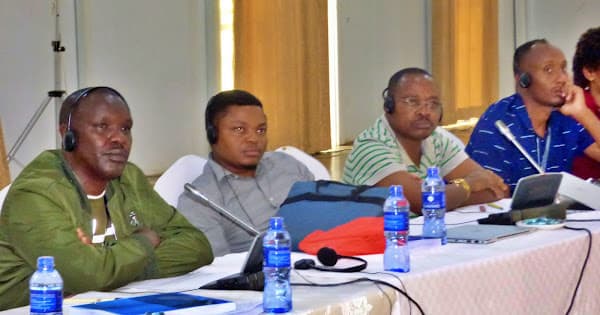
  • Water harvesting, storage, and governance so journeys to water shorten and health, livestock, and coexistence around sources improve.
  • Community animal health workers, vaccination campaigns, and infrastructure that supports animal health and market access.
  • Support for mobility and cross-border grazing coordination as adaptation; restocking and recovery after shocks.
  • Climate-smart complementary farming, seed banks, and irrigation where ecologically appropriate—with evidence from communities moving from experiment to sustained resilience.
Africa Regional Training On Indigenous Peoples' Rights and the International Human rights Law 16th-19th December, 2024  Nairobi, Kenya. — MPIDO programme photo

Governance programme

Land and resource rights, leadership, and dialogue—securing tenure and building coexistence across systems.

Advancing rights, securing land, and strengthening indigenous leadership—human rights from awareness to agency; tenure and resource governance; legitimate leadership across customary and formal systems; and structured dialogue for coexistence.

Delivery focus · 8 points

Full PDF narrative and projects are on the programme page.
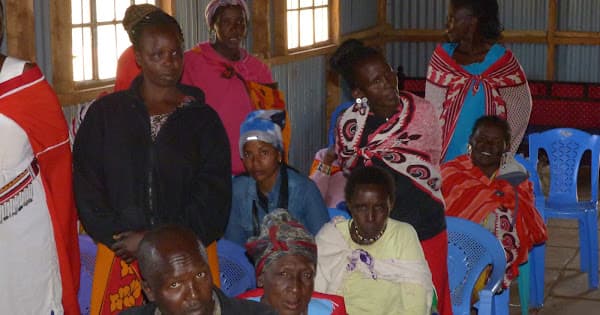
  • Support for communal tenure processes, local land management, and defence against elite capture and irregular allocations.
  • Unpacking carbon, conservation, and investment proposals with communities so decisions are informed and consensual.
  • Strategic cases and community mobilisation that address land grabbing patterns and strengthen accountability.
  • Inclusive land governance with explicit attention to women’s participation; cross-border coordination for shared landscapes.
  • Continuous civic education and FPIC literacy; structured community dialogue; representation in formal governance arenas.
  • Strategic litigation alongside advocacy to secure remedies and strengthen protective norms.
  • Leadership pipelines that honour elders while opening space for youth and women; investment in resource centres as durable community infrastructure.
  • Peaceful coexistence processes and transboundary dialogue linked to mobility and shared resources.
Pawanka — MPIDO programme photo

Gender programme — education, women, and youth

Girls’ education and protection, plus women- and youth-led enterprise and climate-resilient opportunity.

Structural shifts for girls’ education and rights protection alongside women- and youth-led enterprise, revolving funds, and climate-resilient economic participation.

Delivery focus · 4 points

Full PDF narrative and projects are on the programme page.
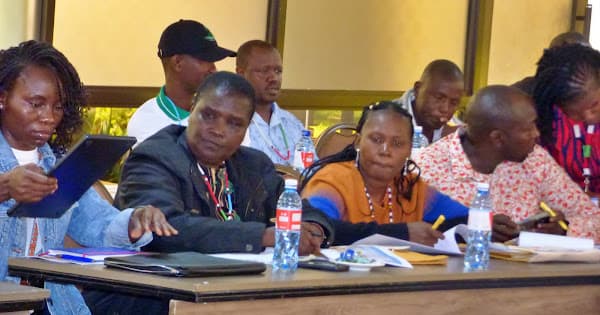
  • Holistic girl-child support from access to retention, performance, and transition—with community ownership of norms change.
  • Enterprise development with training, mentorship, market access, and financial literacy.
  • Revolving funds and savings-and-loan systems that recycle capital within communities.
  • Climate-smart farming inputs, seed banks, and income pathways that strengthen household resilience.
CJRF — MPIDO programme photo

Climate change and environment

Restoration, clean energy, indigenous knowledge, and IPNSCCC—local action linked to global climate and finance spaces.

Rights-based climate and environmental leadership—stewardship and restoration, renewable energy, indigenous knowledge, IPNSCCC coordination, and influence from county finance to COPs.

Delivery focus · 4 points

Full PDF narrative and projects are on the programme page.

  • Landscape restoration and sustainable land management owned and led by communities.
  • Clean energy solutions tied to water, safety, health, and reduced pressure on forests.
  • Knowledge documentation, intergenerational learning, and policy translation.
  • Multi-level advocacy and coordination: IPNSCCC, continental convenings, COPs, Rio conventions, climate finance literacy, and Voices of the Earth solidarity.